A homeowner's guide
How a Bathroom Remodel Works and What Affects Cost
Ready to talk through your bathroom with a local contractor?
Start with scope, not with tile
A bathroom remodel goes well or badly long before anyone picks up a tool, and this page walks you through the choices that settle which. The early decisions are about scope: which parts of the room stay, which parts come out, and whether any plumbing or wiring moves. Those choices set the trades involved, the permits needed and how long the room is out of use. Finishes matter, but they come second.
This page explains how the work is usually organized and what pushes the cost up or down, without quoting amounts, because every room is different. We are a referral service. We pass your request to an independent local contractor, who visits, measures and gives you a written estimate for your room. The notes below help you read that estimate and ask better questions.
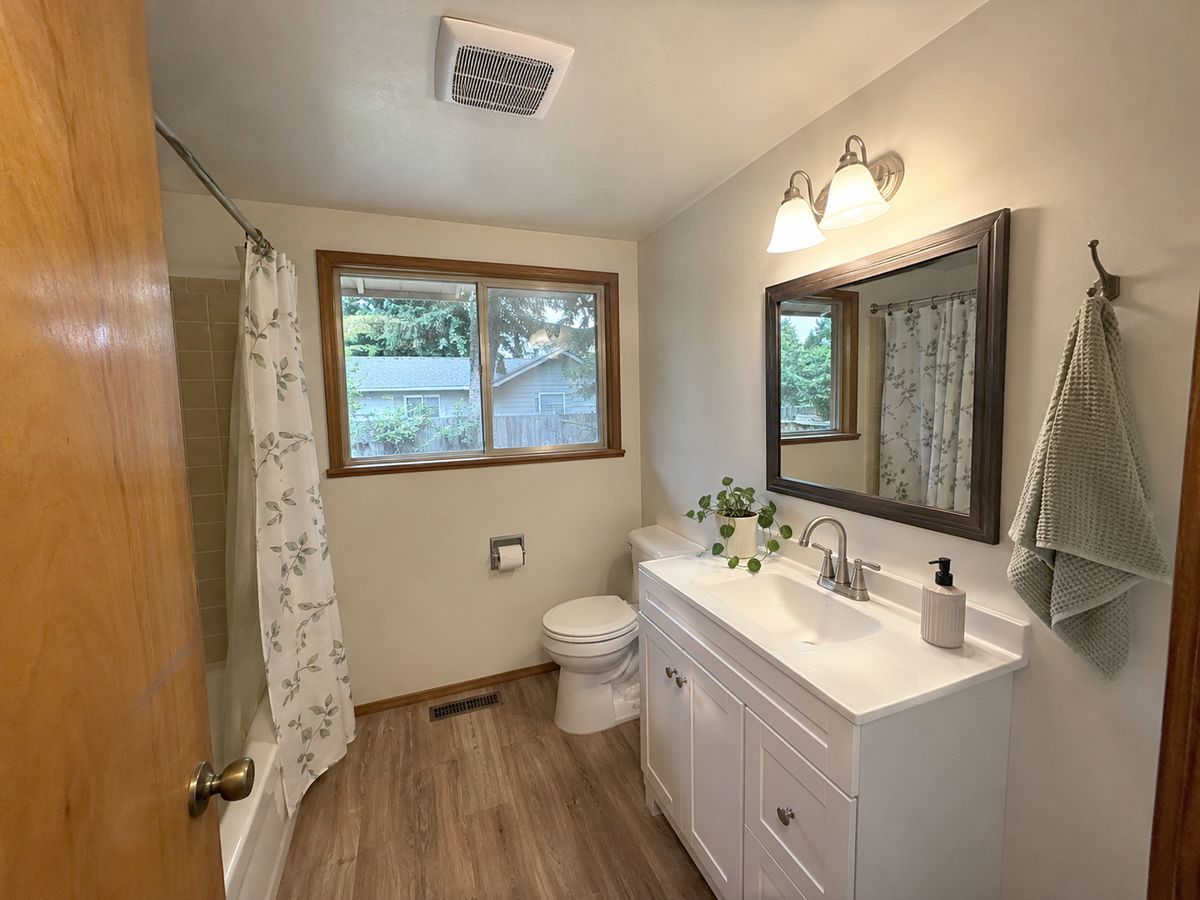
What shapes a bathroom remodel
Five things decide most of what a bathroom remodel involves and costs. Two are choices you make, one belongs to the house, and two are about paperwork and comparison. Knowing which is which makes the contractor's first visit far more useful.
Choosing a scope level
Bathroom work falls into rough levels. A surface update keeps the tub, shower and layout and changes what you see: vanity, toilet, faucets, paint, lighting and sometimes flooring. A wet area project rebuilds the tub or shower and leaves the rest of the room mostly alone. A whole-room renovation takes everything out, often down to the framing.
Each level brings in more trades and more days without a working bathroom. Be honest about which level you need. A surface update over a shower that leaks behind the tile only postpones the larger job. A contractor can tell you which parts of your room are sound enough to keep.
Cost drivers you control
The largest choice in your hands is whether fixtures stay where they are. Keeping the toilet, the vanity sink and the tub or shower in their current positions means the existing drains and supply lines can usually be reused. Moving any of them adds plumbing work under the floor or inside the walls, and often a permit.
Material choices come next. Tile takes more labor than a panel wall system, and small or patterned tile takes more labor than large plain tile. Custom glass, stone tops and built-in niches each add steps. None of these are wrong choices. They are simply the places where an estimate grows, so decide them on purpose.
Cost drivers the house controls
Some costs are set by the building and only show up once walls or floors are open. Water that got past old tile or a worn toilet seal can soften the subfloor or the framing behind a shower. Older homes may have supply or drain piping that a plumber advises replacing while it is exposed, or wiring that does not suit a modern bathroom circuit.
A careful contractor will tell you what they can and cannot see during the estimate visit and how hidden conditions would be handled. Ask how changes are priced and approved before work continues. A written change order process protects both sides when a surprise appears.
Permits and licensed trades
Whether a permit is needed depends on the work and on the address. Replacing a faucet or a vanity in the same position is usually simple. Moving drains, adding circuits, relocating a fan duct or changing walls is the kind of work that commonly needs a permit and inspection. Homes inside city limits and homes in unincorporated Clark County answer to different permit offices.
In Washington, plumbing and electrical work is done by trades with their own state credentials, and general contractors are registered with the Department of Labor & Industries. The contractor normally pulls the permits for the job. Ask which permits your project needs and whose name they will be under.
Comparing written estimates
Two estimates for the same bathroom can differ a great deal because they describe different jobs. Before you compare totals, compare what is included. Look for demolition and disposal, the waterproofing method behind the tile, who supplies fixtures and tile, the fan and its duct, patching and paint, and the glass.
Allowances deserve a close read. An allowance is a placeholder amount for something not yet chosen, such as tile or a vanity. If your actual choice runs over the placeholder, the price changes. Ask each contractor to describe the same scope in writing, with the same items included, so the numbers you compare are for the same room.
Why Request Bathroom Remodel Through Us
One request, a local contractor
You describe the room once. We pass the request to an independent contractor who works in Vancouver and Clark County and who contacts you directly.
The estimate comes from the person doing the work
We do not price jobs. The contractor sees your bathroom, measures it and writes the estimate, so the number is based on your actual room.
No obligation to hire
Sending a request does not commit you to anything. You decide whether to accept the estimate, and any agreement is between you and the contractor.
How a typical bathroom remodel moves along
- Site visit and scopeThe contractor measures the room, looks at the existing plumbing, fan and wiring, and talks through what stays and what goes.
- Written estimate and selectionsYou receive a written scope and price, then choose the fixtures, tile and vanity so materials can be ordered before work begins.
- Demolition and rough workOld finishes come out, any hidden damage is assessed, and plumbing, electrical and ventilation changes are made while the walls are open.
- Waterproofing and finishesWet areas are waterproofed behind the finished surface, then tile or panels, flooring, paint, vanity and fixtures go in.
- Final checks and walkthroughAny required inspections are closed out, fixtures are tested for leaks and drainage, and you walk the room with the contractor.
Bathroom Remodel Questions
What usually adds the most to a bathroom remodel?
Moving plumbing fixtures, rebuilding a shower with tile, and repairing hidden water damage are the three most common reasons a bathroom remodel grows. Keeping the layout and choosing simpler wall finishes are the usual ways to hold the scope down.
Can I stay in the house during the work?
Usually yes, especially if you have a second bathroom. With one bathroom, talk to the contractor about how long the toilet and shower will be out of service and plan around those days before the work starts.
Should I buy my own fixtures and tile?
You can, but agree on it first. Some contractors prefer to supply materials so they are responsible for quantities, defects and returns. If you supply items, confirm who checks that the valve, drain and trim are compatible with each other.
Why can't you give me a price over the phone?
We are a referral service and do not price work. A fair number depends on the room's size, the condition behind the walls and your selections, so the independent contractor needs to see the bathroom before writing an estimate.
Other Services in Vancouver, WA
- Walk-In Shower
- Tub to Shower Conversion
- Tub Installation
- Shower Remodel
- Full Bathroom Remodel
- Bathroom Remodel in Vancouver, WA
Towns We Take Requests From
Call for a Free Estimate
Tell us about your bathroom and what you want to change. We will pass it to an independent local contractor who will contact you about an estimate.