Vancouver and Clark County
Tub to Shower Conversion in Vancouver, WA
Tell us about the tub you want gone and a local contractor will be in touch.
The same alcove, a different fixture
This page covers a tub to shower conversion in Vancouver, WA: removing a bathtub and building a shower in the space it occupied. In most homes that space is a three-wall alcove about five feet long. The footprint stays the same, which keeps the job contained, but the plumbing, the walls and the floor under the tub all change. It is more than swapping one fixture for another.
This page is about the conversion work itself: what comes out, what has to move and what the old tub may have been hiding. We are a referral service. When you send a request from Vancouver or elsewhere in Clark County, we pass it to an independent local contractor who inspects the alcove and gives you the estimate.
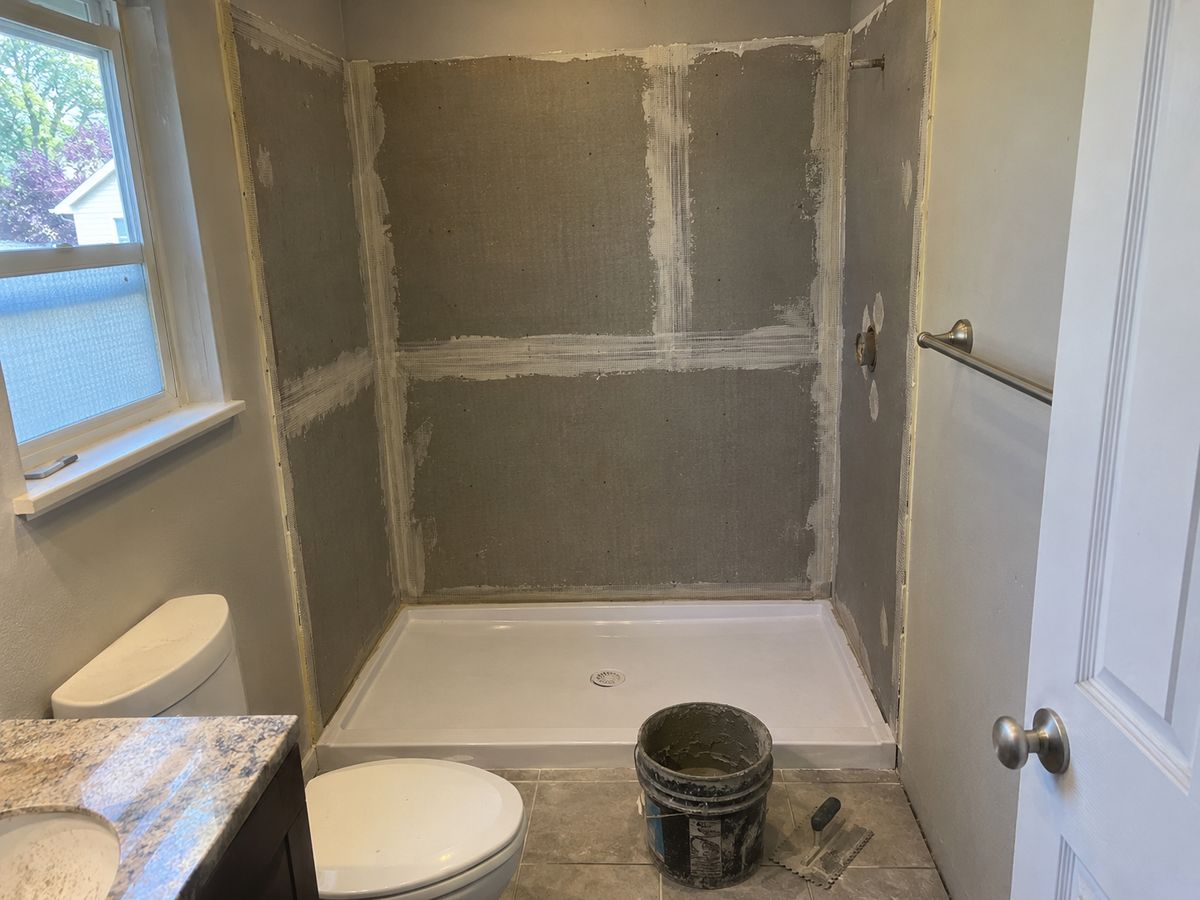
What changes when a tub becomes a shower
Removing the tub exposes the drain, the framing and the subfloor, and each of them needs attention before a shower can go in. These are the five parts of the conversion that a contractor will plan around your existing alcove.
What fits in a 60-inch alcove
A standard tub alcove gives a shower roughly the length of the old tub and its width from the back wall to the front edge. That is a comfortable shower for one person. It will usually take a prefabricated shower base made for tub replacement, or a tiled floor built on site, with a door or panel across the front.
Depth is the tight dimension. Tubs are narrow from front to back, so a bench across the back wall takes real standing room. A small corner seat, a fold-down seat or a seat at one end usually works better. Have the contractor measure the framed opening, since finished walls hide the true size.
Moving the drain from tub to shower position
A tub drain sits at one end of the alcove, under the faucet. Many shower bases place the drain in the center, and a shower drain line is commonly larger than a tub drain. So the conversion usually involves a plumber opening the floor, replacing the trap and rerouting the drain to the new position.
How hard that is depends on what is underneath. With a crawl space or an unfinished basement below, the piping is easy to reach. On a concrete slab, concrete has to be cut. Over a finished ceiling, the ceiling below may need opening. Some shower bases are made with an end drain to reduce this work.
Valve height and controls
A tub and shower valve is set low enough to reach from a seated position and has a spout that fills the tub. In a shower that spout has no purpose, and the control is more comfortable higher on the wall. Since the wall is open anyway, the conversion is the time to replace the valve and set it at a standing height.
It is also the time to decide where the control goes. Placing it near the entry lets you turn the water on without standing under it. If you want a handheld sprayer as well as a fixed head, the valve needs to be a type that supports two outlets.
Rebuilding the walls
The walls around a tub were built to shed water from a few feet above the tub rim. A shower wets the walls from the floor up. So the old surround comes off, and the walls are rebuilt with a backing suited to wet areas and a waterproofing layer behind the tile or panels that ties into the shower base.
The bottom of the wall matters most. Where the tub rim used to cover the framing, the new waterproofing has to lap over the edge of the base or connect to the floor membrane so water cannot run behind it. Ask the contractor which system they use and how the wall meets the base.
When keeping one tub matters
Before you remove a tub, count the tubs in the house. If this is the only one, think about who might need it. Families with small children often rely on a tub for bathing, and some buyers look for at least one when a home is sold. Removing the last tub is a personal choice, but it should be a deliberate one.
If the home has a second bathroom with a tub, converting the other one is an easier call. If it is the only tub and you still want a shower, the contractor can describe alternatives, such as a tub with a lower rim, or a conversion in a different bathroom.
Why Request Tub to Shower Conversion Through Us
The drain question answered early
The contractor we refer checks what is under the tub, crawl space, slab or ceiling, before pricing, since that decides the plumbing work.
Local to Clark County
Your request goes to an independent contractor who works in Vancouver and nearby towns and deals with the local permit offices.
Simple and without pressure
We receive your request and pass it on. The contractor contacts you, and you decide whether to go ahead after seeing the estimate.
How a tub to shower conversion proceeds
- Inspect the alcoveThe contractor measures the opening, finds the drain and valve, and checks what access exists below the floor.
- Remove the tub and surroundThe tub and wall finish are taken out, and the subfloor and framing are checked for water damage and repaired if needed.
- Rework the plumbingThe drain is moved and resized for the shower, and a new valve is set at standing height, with a permit where required.
- Set the base and waterproofA shower base is installed or a sloped floor is built, and the walls are waterproofed and tied into the base.
- Finish and encloseTile or wall panels, trim and the shower head go in, then a door or glass panel is fitted and the drain is tested.
Tub to Shower Conversion Questions
Does the drain always have to move?
Not always. Some shower bases are made with the drain at one end to line up near the old tub drain. The trap and drain line often still need updating for shower use, which a plumber will assess once the tub is out.
What might be found under the old tub?
Sometimes nothing. Sometimes a subfloor softened by years of small leaks at the drain or along the tub edge, or damp framing at the valve wall. Any damage has to be repaired before the shower base goes in.
Do I need a permit to convert a tub to a shower?
Changing the drain and valve is plumbing work that commonly requires a permit, and the rules depend on whether your home is in the city or in unincorporated Clark County. The contractor should confirm this and handle the application.
Will removing my only tub hurt resale?
It can matter to some buyers, particularly families with young children. If the home has another tub, the effect is small. If this is the last one, weigh how long you plan to stay against how much you would use the shower.
Other Services in Vancouver, WA
- Bathroom Remodel
- Walk-In Shower
- Tub Installation
- Shower Remodel
- Full Bathroom Remodel
- Bathroom Remodel in Vancouver, WA
Towns We Take Requests From
Call for a Free Estimate
Tell us about the tub, the floor it sits on and what is below the bathroom. We will pass your request to an independent local contractor.